- Get link
- X
- Other Apps
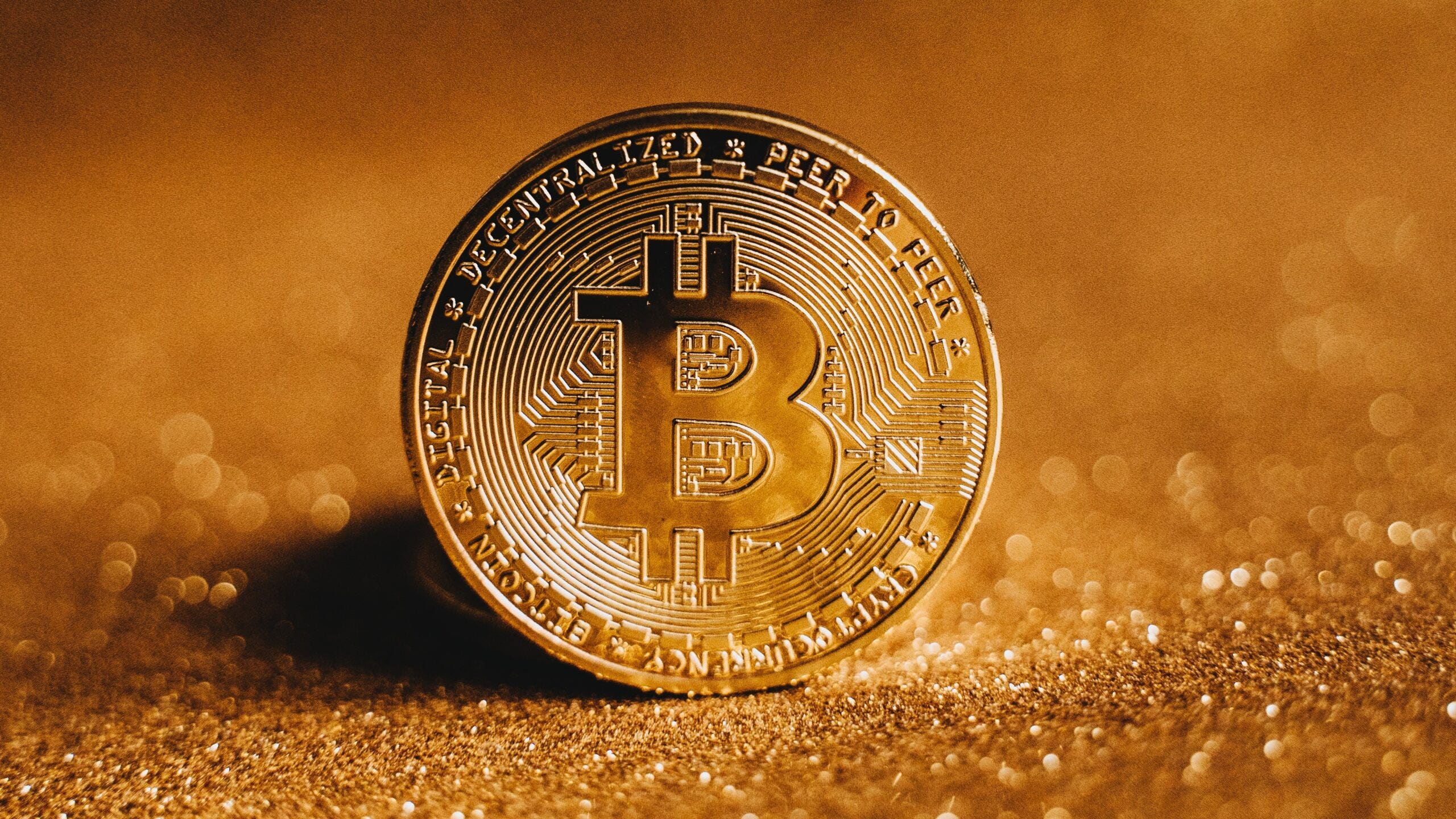
Crypto scams took over eight billion dollars from everyday people last year. You can lose your life savings in seconds if you click the wrong link or trust the wrong message. Learning how these tricks work is the best way to protect yourself.
Scammers use simple psychological tricks to trick you into sending them money or giving up your private passwords. They create fake websites, send direct messages pretending to be helpful support staff, and make big promises about easy profits. Once your money leaves your hands in the digital world, no bank can get it back for you.
Why Crypto Scams Are So Common Right Now
Traditional banks have customer service lines, fraud departments, and laws that protect your account. If someone steals your credit card, you call the bank and get your money back. Crypto does not work like that at all.
Every transfer on a blockchain is permanent. No company owns the network, so there is no phone number to call when things go wrong. Scammers know this fact very well. They target beginners who expect the same safety nets they have at their local bank.
A builder in Ohio lost fifty thousand dollars last month because he thought a real person from a famous app was helping him fix a transaction error. The person was actually a thief sitting thousands of miles away. The money was gone in three seconds.

Fake Websites and Phishing Messages
Phishing is the most common trick in the book. A scammer creates a website that looks exactly like a popular exchange or wallet app. They use logos, colors, and fonts that match the original brand down to the last detail.
They send you an email or text saying your account is blocked. The message tells you to click a link to unlock your money. When you type your secret words or password into that fake site, the thief gets them instantly.
Always look closely at the web address in your browser bar. A real address might say exchange.com, while the fake one says exchannge.com or exchange-support.net. One tiny letter difference can cost you everything you own.
- Never click links in unexpected emails or text messages.
- Type the web address into your browser yourself every single time.
- Bookmark the real sites you use every day so you do not make a typing mistake.
The Pig Butchering Scam
This scam gets its name from an ugly reality. The thieves build up your trust over weeks or months before taking everything you have. It usually starts with a random wrong text message on your phone or a friendly hello on social media.
The person pretends to be successful, kind, and rich. They talk about normal life for days to make you feel safe. Then they casually mention how much money they make trading digital coins using a special system.
They offer to show you how to do it. They send you to a fake trading website that shows high fake profits on your screen. You might even withdraw fifty dollars early on to prove it works. But when you put in ten thousand dollars, the site freezes, and the person disappears forever.
How Do Fake Giveaways Work?
You see a live video on a video site featuring a famous tech billionaire or coin creator. The video promises that if you send one coin to a specific address, they will send two coins back to you as part of a special promotion.
This is always a lie. No famous rich person or company is going to double your money for free. Millions of people fall for this every single year because the video looks official and has thousands of fake viewers in the comments section.
Fake live streams often use old video clips recorded years ago. The thieves place a big graphic over the video with a digital code for you to scan. Once you send your money to that code, it goes straight to the thief, and you get nothing back.
How to Spot Fake Crypto Support Agents
If you post a message on social media asking for help with an app or wallet, your inbox will fill up fast. Dozens of accounts with official logos will send you private messages offering help.
Every single one of those accounts is a thief trying to trick you. Real companies never send you direct messages first, and they never ask for your private key or secret backup words. Anyone asking for those words is trying to rob you.
A woman from Texas posted on a forum asking why her transaction was taking so long. A helpful agent messaged her with a form to fix her link. She filled out twelve simple recovery words on the form, and her wallet was completely drained four minutes later.
What Is a Pump and Dump Scheme?
This happens often with brand-new, tiny coins that no one has heard of before. Group leaders buy millions of cheap coins for almost zero dollars. Then they hire online influencers to hype up the coin on social media.
They tell everyone that this new token is going to the moon and will make everyone rich overnight. Beginners buy in fast because they are afraid of missing out on easy gains. This buying pushes the price up quickly, which is the pump phase.
Once the price hits a high point, the group leaders sell all their coins at once to lock in massive profits. This massive sale drops the price down to near zero in seconds, leaving late buyers holding worthless digital paper. This is the dump phase.
Simple Rules to Stay Safe Every Day
You do not need to be a technical genius to protect your digital funds. Following a few strict habits will stop almost every attack attempt before it starts.
Treat your backup words like physical cash sitting on a table in front of a stranger. Write them down on paper with a pen, keep that paper in a safe place inside your house, and never type those words into a computer or phone keyboard for any reason.
Use hardware security keys or two-step safety features on all your accounts. Text message codes are better than nothing, but authenticator apps or physical USB keys offer much stronger protection against modern phone tricks.
What to check before sending any money
Take your time every single step of the way. Scammers always try to create a sense of urgency to make you move fast without thinking clearly. They might tell you your account will be lost forever if you do not act in five minutes.
Stop and take a deep breath whenever you feel rushed. Check the address string three times, call a friend to talk through the situation, or contact official support through their main website directly. Speed is the scammer's best friend and your worst enemy.
- Double-check every single letter and number of a receiver address.
- Send a tiny test amount first to see if it arrives safely.
- Never invest money based on advice from a stranger in a chat room.
- Assume that any offer promising guaranteed profits is a total scam.
What Should You Do If You Get Scammed?
If you suspect you entered your secret words into a bad site, you must move instantly. Create a brand-new wallet on a clean device that has never been touched by the bad link. Transfer any remaining funds out to that new address right away.
Report the incident to your local law enforcement agencies and national fraud reporting sites. While recovering digital assets is rare, police departments are slowly getting better at tracking illicit flows across digital ledgers over time.
Be extremely careful after a loss because recovery scammers will target you next. These are secondary thieves who message you claiming they can hack the original thief to get your money back for a small upfront fee. They cannot help you, and they are only trying to steal from you a second time.
Staying safe comes down to slow movements and healthy skepticism. Have you checked your account safety settings today?
Comments
Post a Comment